Medical and dental practices
We know what an operatory is. We know what a vaccine fridge costs.
Most cleaning companies sell every practice the same page with the nouns swapped. A medical suite and a dental practice are not the same building — different rooms, different waste, different federal rules. Here is what we do in each, and what we never touch in either.
The line we work to
CDC splits your practice in two, and we clean one half of it.
The split is the same in a medical suite and a dental practice. Housekeeping surfaces — floors, walls, cabinetry faces, sinks, restrooms, waste — are ours. Clinical contact surfaces — anything touched during patient care — belong to your clinical staff under your own infection-control protocol. What changes between the two kinds of practice is which rooms and which equipment fall on each side of that line.
Housekeeping surfaces — ours
- Exam room and operatory floors, walls, cabinetry faces, and sinks.
- Reception, business office, and consult rooms.
- Restrooms, disinfected and restocked.
- Staff lounge and break room.
- Sterilization and instrument-processing area floors and exterior cabinetry.
- Imaging room floors and horizontal surfaces.
- Regular trash and recycling.
Clinical contact surfaces — yours
- Exam tables, dental chairs, light handles, switches, and delivery units between patients.
- Instruments, cassettes, and trays.
- Autoclaves and sterilizers.
- Sharps containers and regulated medical waste.
- Room turnover between patients.
Your clinical staff own this and they should. We are not clinically trained and we will not pretend otherwise.
We do not offer end-of-day disinfection of these surfaces as an add-on either. Doing them would blur the boundary your scope depends on, and take on a liability we are not trained or insured for.
Law firms and financial offices: see our professional-office standard.
What changes between the two
The standard is identical. The rooms are not.
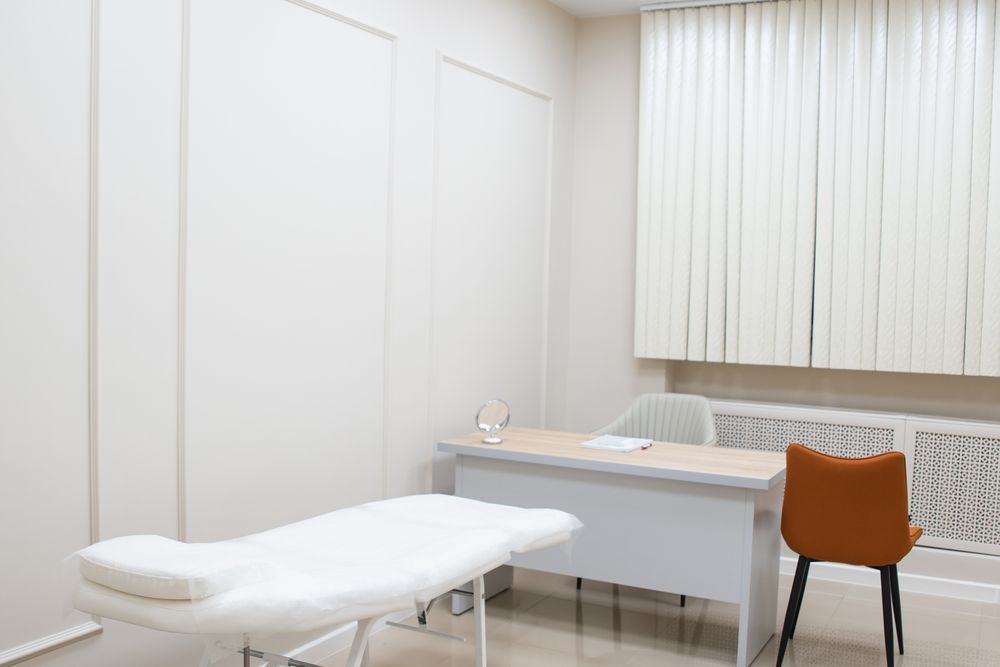
In a medical suite
- The vaccine refrigerator is untouchable. We never unplug it, move it, clean inside it, or use its outlet — and nothing else gets unplugged to free an outlet either, because our people carry their own cords. A single temperature excursion can destroy an entire inventory and trigger a reporting obligation, and it is the most expensive mistake a cleaner can make in your building.
- Red-bag and sharps waste stays where it is. Regulated medical waste is a licensed stream and not ours to move, consolidate, or place with regular trash.
- We do not touch point-of-care testing or lab counters. Centrifuges, analyzers, and specimen-handling surfaces are clinical equipment, not horizontal surfaces.
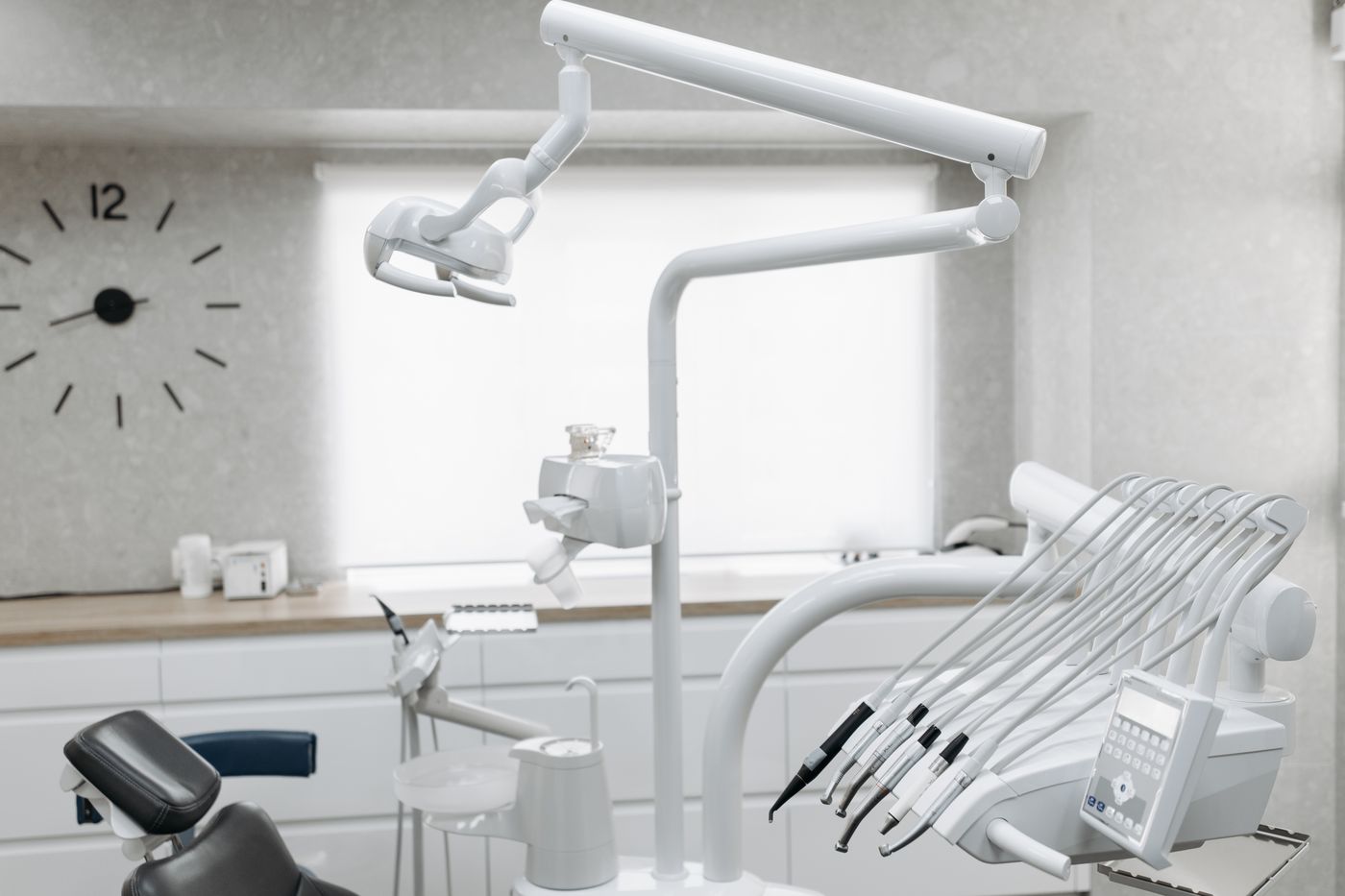
In a dental practice
- Nothing goes down an operatory drain. No bleach, no oxidizing or acidic cleaner, nothing at all into cuspidors, chair-side traps, or vacuum lines. 40 CFR 441 governs it, your practice filed a one-time compliance report on it, and a crew that does not know this can put you out of compliance in one night.
- We do not touch the amalgam separator or its lines. That is a serviced device, not a fixture to be wiped.
- We do not cross the instrument-processing boundary. We clean the floor and the outside of the cabinetry in the sterilization area. We do not touch the dirty-to-clean workflow on it, and we do not move lead aprons, sensors, or phosphor plates.
What we never do in either
- We do not read, move, or photograph anything with a patient name on it. Charts, screens, schedule boards, intake forms. If paper is on the floor, it goes on the nearest desk, face down.
- We do not open a drawer or a closed cabinet. If it is shut, it stays shut. We clean the faces, not the contents.
Contact time is the whole job
Every EPA-registered disinfectant carries a contact time on its label — the minutes a surface must stay visibly wet for the kill claim to hold. Wipe it dry at two minutes when the label says four and you have cleaned the surface. You have not disinfected it.
This is where cheap cleaning fails, and it fails invisibly. Crews paid by the hour are paid for speed, and speed is the one thing disinfection cannot survive. We work a fixed written scope rather than a clock, so nobody is rewarded for finishing early.
Color-coded microfiber and mops are assigned by zone, so nothing that touched a restroom touches an exam room or an operatory floor. Product list, EPA registration numbers and required dwell times are in the binder we leave with you. Nothing that is not on that list comes through your door.
The binder
Everything an inspector might ask you for, assembled before they ask.
- Certificate of insurance naming your practice as additional insured.
- W-9.
- Signed confidentiality agreement.
- OSHA bloodborne pathogen training certificate for every person who enters your practice, dated.
- Our written exposure control plan.
- Safety data sheets for every product we bring in, with EPA registration numbers and required contact times.
- The written scope, signed by both sides.
- Key and access custody receipt.
On the HIPAA question, for the record: HHS guidance is clear that janitorial services are not business associates, because any contact with protected health information is incidental to the work. We sign a confidentiality agreement anyway. If you ever want us handling records or document destruction, that is a different scope and we would sign a business associate agreement for it.
Walk us through the practice after hours.
We’ll come at the hour we would actually be working, with the people who would actually be in your building. Written scope and a flat monthly price within 48 hours.