Healthcare · Fairfield & Westchester
Medical and dental office cleaning, to the standard you are inspected against.
Clean when the first patient walks in, and ready when the inspector does. Dental and medical practices, chiropractic, physical therapy and counselling offices across Fairfield County, CT and Westchester County, NY. A written scope that says what we touch and what we never touch, the same named team every visit, and a signed checklist on your desk every morning.
Free walk-through, no obligation. Or call (203) 212-9064.
Six things that separate a healthcare clean from an office clean
Most cleaning crews work to no written standard at all. These are the parts of ours that show up in the work.
-
Full contact time
EPA List N hospital-grade disinfectant, held wet for the time on the label. A disinfectant does not work on contact. Wipe it early and the surface is clean, but it is not disinfected.
-
Color-coded by zone
Cloths and mops are assigned by room. Nothing that touched a restroom touches an exam room or an operatory floor.
-
One half of the practice, and the line is written down
Housekeeping surfaces are ours. Clinical contact surfaces — chairs, exam tables, trays, delivery units — are your staff’s, under your own protocol. The scope says which is which, room by room.
-
We know what not to touch
The vaccine refrigerator is never unplugged. Nothing goes down an operatory drain. Red-bag and sharps waste stays where it is. Sterilization is the floor and the cabinet faces, never the workflow.
-
Restrooms disinfected and restocked
Every visit, from your stock or ours, and the checklist records it. When supplies run low you hear it from us the night before, not from a patient at 8am.
-
A signed checklist, and a supervisor who checks
On your desk every morning, including anything we could not do and why. Supervisor inspection weekly for the first 90 days, then monthly, with a written report. All of it in your Keeper portal, with photos where your scope allows them.
What gets disinfected every visit, and what we never touch
CDC splits your practice in two. We clean one half of it to the label, and the contract says so.
Every visit
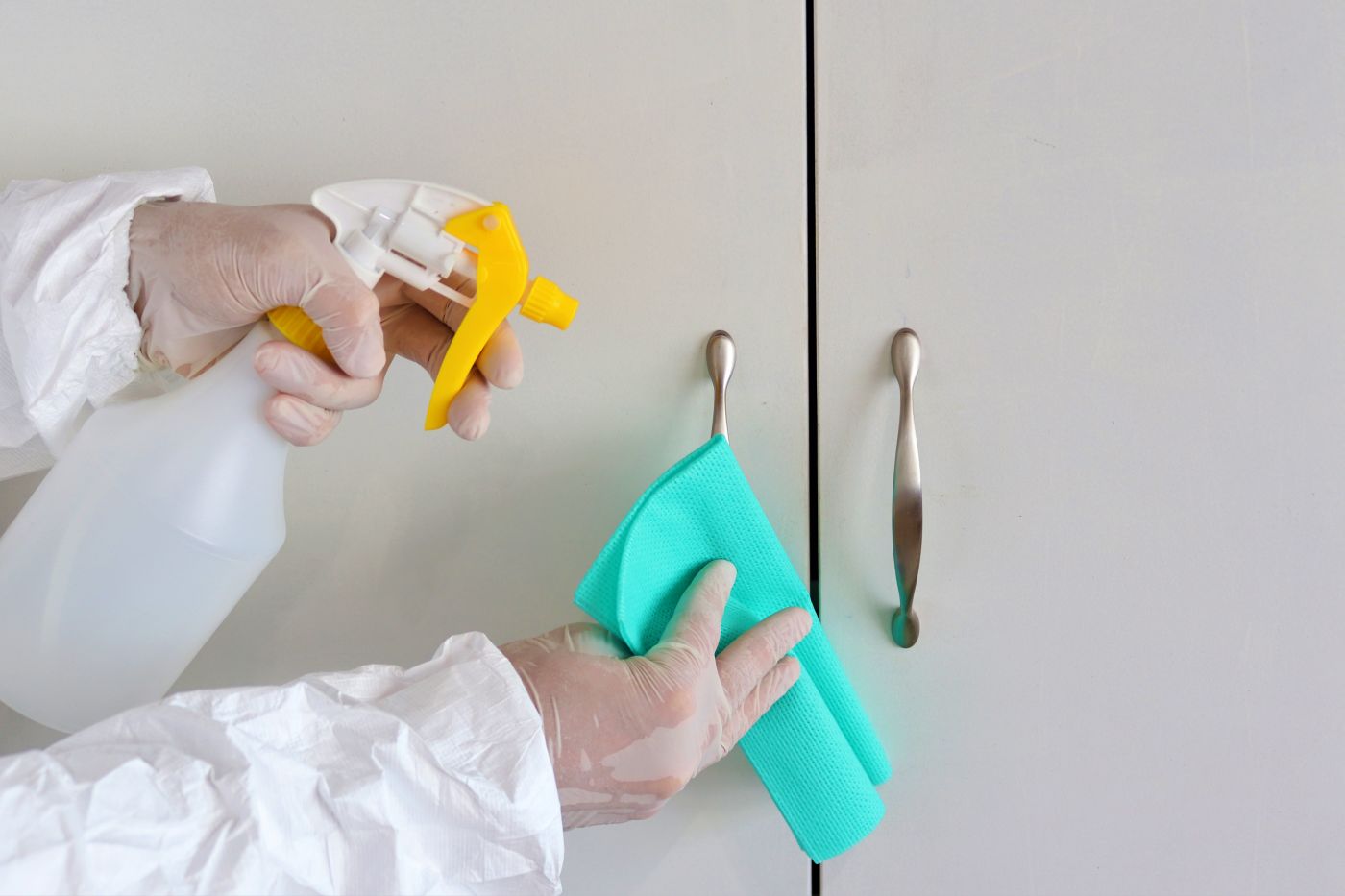
- Every high-touch and horizontal housekeeping surface in operatories and exam rooms, disinfected with EPA List N hospital-grade product and held wet for the full contact time.
- The touch points, electrostatically sprayed so every side is covered: door handles, push plates, light switches, faucet handles, chair arms, counter edges, the front-desk pen.
- Waiting room, reception, business office and consult rooms.
- Restrooms disinfected and restocked, and we tell you when stock is running low rather than letting you find out at 8am.
- Floors vacuumed with HEPA-filtration vacuums, so the dust stays in the machine, and mopped with a fresh color-coded pad per room.
- Sterilization-area floors and exterior cabinetry. Imaging room floors and horizontal surfaces.
- Break room, trash and recycling.
Never
- Exam tables, dental chairs, light handles and delivery units between patients.
- Instruments, cassettes, trays, autoclaves and sterilizers.
- Sharps containers and regulated medical waste.
- Anything poured into operatory drains, cuspidors, chair-side traps or vacuum lines.
- Anything with a patient name on it. Charts, screens, schedule boards and intake forms are not read, moved or photographed.
- Drawers and closed cabinets. We clean the faces, not the contents.
Your clinical staff own that list, and they should. We are not clinically trained and we will not pretend otherwise, so we do not offer it as an add-on either.
The same standard, room by room
What changes from one kind of practice to the next is which equipment is on which side of the line.
Medical suite
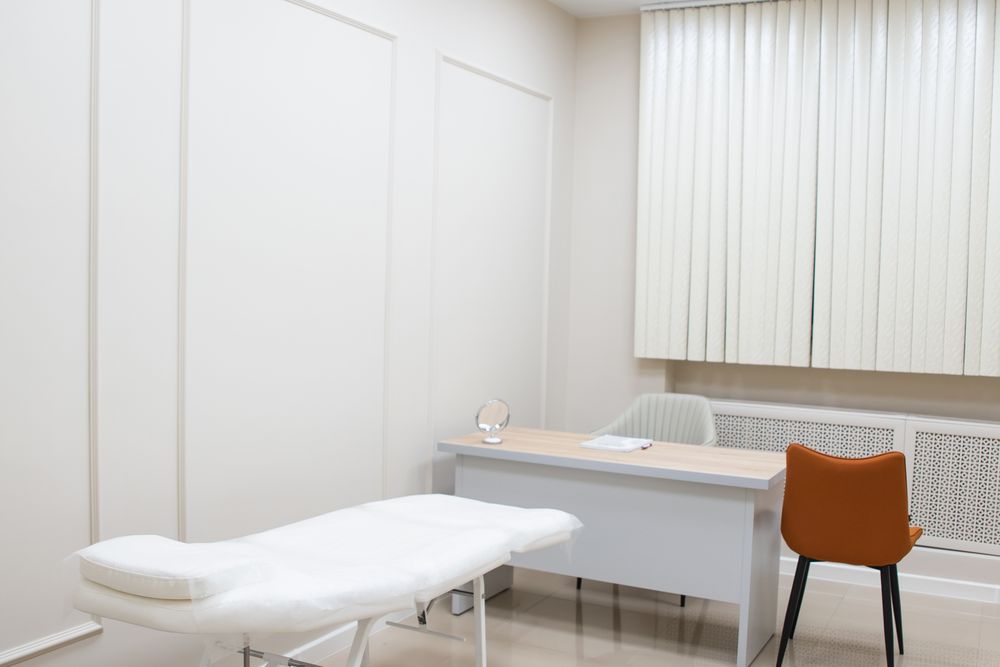
- The vaccine refrigerator is untouchable. Never unplugged, moved or used as an outlet. Our people carry their own cords.
- Red-bag and sharps waste stays where it is. A licensed stream, not ours to move.
- Lab and point-of-care counters are not ours. Analyzers and specimen surfaces are equipment, not horizontal surfaces.
Dental practice
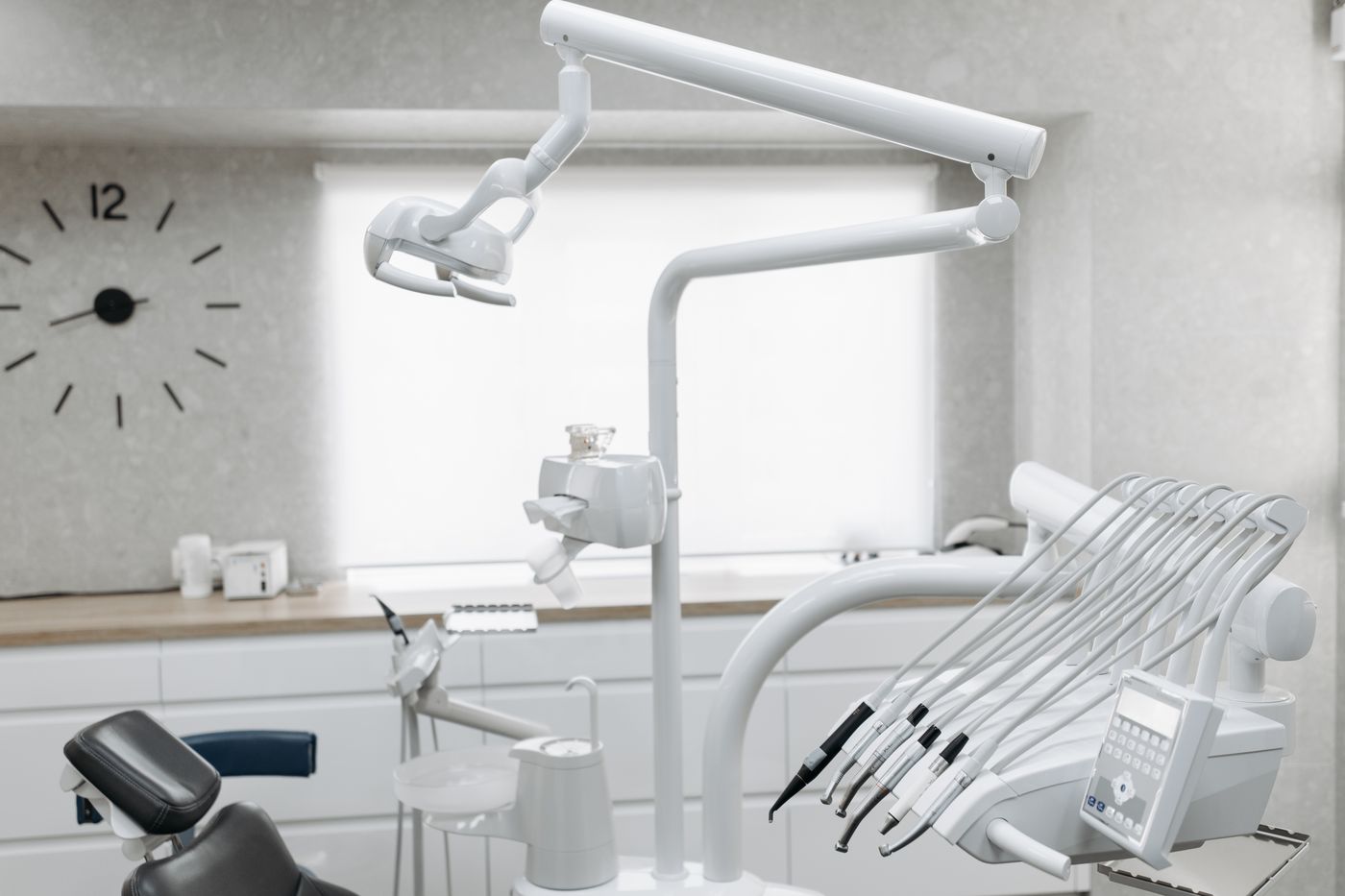
- Nothing goes down an operatory drain. No bleach, no oxidising or acidic cleaner, nothing into cuspidors, traps or vacuum lines.
- The amalgam separator is untouched. A serviced device, not a fixture to be wiped.
- Sterilization is floor and cabinet faces only. Never the dirty-to-clean workflow, never lead aprons, sensors or phosphor plates.
Chiropractic, therapy and counselling
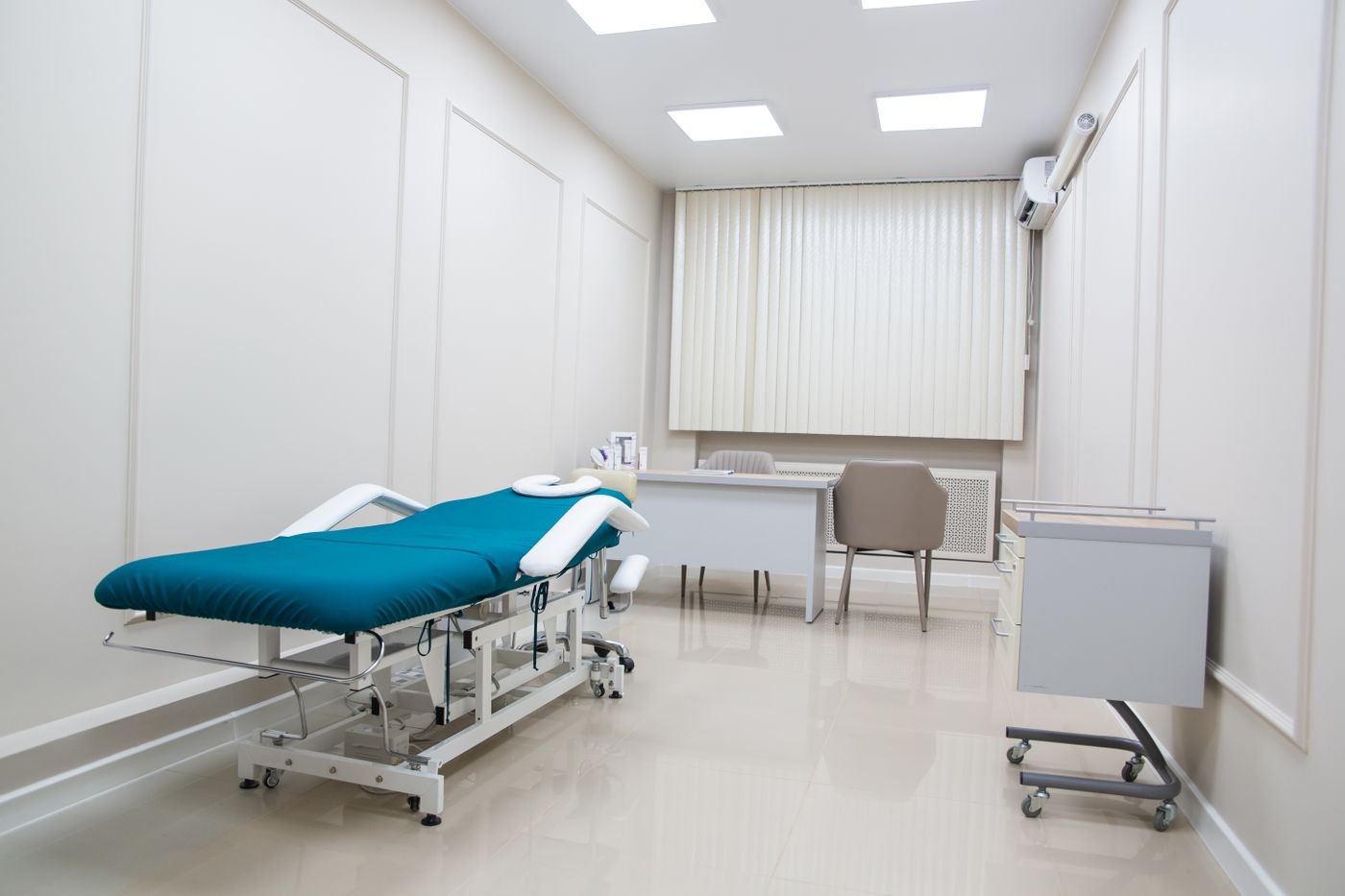
- The table is yours, the floor is ours. Base and frame, never the pad or the face cradle. Mats, bolsters and straps are cleaned on your protocol.
- Equipment is not moved. Traction units, ultrasound heads and e-stim leads stay where the clinician left them.
- In a counselling office the record is the exposure. Nothing on a desk is read or moved, drawers stay shut, screens are never touched, and the room is left set rather than rearranged.
What drives the price
A flat monthly number, quoted when the walk-through ends. Five things move it.
- Operatory or exam room count. The largest single driver. Clinical rooms carry more surfaces, more dwell time and a tighter scope than the same square footage of office.
- Square footage of reception, business office, consult rooms, break room, restrooms and corridors.
- Frequency. Nightly, three nights a week, or weekly.
- Restroom count and traffic. Disinfected and restocked every visit; they are what a patient notices first.
- Access. A ground-floor suite with its own door, or a managed building with freight elevator windows.
The number we quote is the number you pay. No setup fee, no mobilisation charge. The first-visit deep clean is included, not quoted as an extra. Leave any month on 30 days’ notice. If you are holding other bids, here is how to tell them apart.
Walk us through the practice.
We’ll hand you a written scope and a flat monthly price when we finish. The walk-through costs nothing, and you can leave any month on 30 days’ notice.
Or call (203) 212-9064
Questions we get asked
How much does dental or medical office cleaning cost in Greenwich or Stamford?
Five things set the number: operatory or exam room count, square footage, frequency, restroom count and traffic, and how the building is accessed after hours. Clinical rooms are the largest driver — they carry more surfaces and more disinfectant dwell time than an equivalent square foot of office.
We can give you a quote on the phone or from the form. A flat monthly price in writing is different: that one needs a walk-through, because a price given without seeing the space is a guess, and a guess is how a contract gets renegotiated in month three. We walk your practice at the hour we would actually be working, and hand you a written scope naming every surface room by room and a flat monthly price when we finish. The walk-through is free and carries no obligation. Sales tax is shown as a line item, not buried in the rate: Connecticut charges 6.35% on janitorial services, and New York taxes interior cleaning at the rate for your municipality.
Do you clean chiropractic and physical therapy offices?
Yes. The boundary works the same way: floors, the base and frame of a treatment table, and every housekeeping surface in the room are ours. The table pad, face-cradle paper, mats, bolsters, wedges and straps are patient-contact equipment and stay on your own protocol with your own product. Therapy equipment — traction units, ultrasound heads, e-stim leads — is cleaned around, never moved, and a cord stays where the clinician left it.
Do you clean psychology, psychiatry and counselling offices?
Yes, and the exposure there is the record rather than the equipment. Psychotherapy notes carry a protection no other healthcare record has: under 45 CFR 164.508(a)(2) a practice must obtain a separate authorization for almost any use or disclosure of them, and it cannot be bundled with any other authorization. That rule binds the practice rather than its cleaner, but it sets the standard we work to. Nothing on a desk is read, moved, straightened or photographed. Drawers and closed cabinets stay shut. Screens are never touched. The room is left set, not rearranged.
How often should a dental or medical office be cleaned?
Frequency is set at the walk-through, not from a template. What drives it: how many operatories or exam rooms are in use, how many days a week you see patients, patient volume through the restrooms, and how much end-of-day clinical disinfection your own staff already handle. A two-operatory practice open four days is a different scope from a six-operatory practice running six. Whatever the answer, housekeeping surfaces are ours on every visit and clinical contact surfaces stay with your staff.
What should a practice look for in a cleaning company?
Three things, and you can check all of them before signing. A written scope that names what is cleaned and what is never touched, so the CDC boundary is on paper rather than decided at 9pm by whoever is holding the cloth. A certificate of insurance naming your practice as additional insured, not just a policy number. And a named team with a key custody log, so you know who is in the suite after hours. A company that cannot produce all four on request is telling you something.
There are two more worth asking, about the contract rather than the cleaning: what it costs to leave in month seven, and whether the account will be serviced by the company you signed with or handed to a franchisee. We wrote all seven out, with the answers that should worry you, at how to compare cleaning bids.
Can you start before our current cleaning contract ends?
Yes. You do not give notice until the scope and the price are signed, and we work around the notice period in your existing contract, starting the night after their last night, so there is no week where the practice is not being cleaned. Keys and alarm codes are logged on handover with a written custody receipt, and getting your current cleaner’s keys back goes on your checklist.
Do you have a client portal?
Yes, from the first night. Every signed checklist and supervisor inspection report, your invoices, and the compliance binder — certificate of insurance, safety data sheets, the signed scope — are in your Keeper portal. You can report a missed item from your phone and see its status until it is fixed; we return within 24 hours at no charge. Photographs appear only where your scope allows them: common areas, floors, a repair. Never inside clinical or private rooms.
What equipment and products do you use?
EPA List N hospital-grade disinfectant, held wet for the contact time on its label. Color-coded microfiber cloths and flat-mop pads, one set per zone and a fresh pad per room, so nothing that touched a restroom touches a clinical or office surface. HEPA-filtration vacuums, so what the machine exhausts stays in the machine. Electrostatic sprayers that wrap disinfectant around touch points and restroom fixtures, including the sides and undersides a wipe reaches on one face only. The product list and safety data sheets are in the binder we keep in your office.
Which towns do you serve?
Fairfield County in Connecticut — Greenwich, Cos Cob, Riverside, Old Greenwich, Byram, Glenville, Stamford, Darien and Norwalk — and Westchester County in New York: Port Chester, Rye, Rye Brook, Harrison, Purchase, White Plains, Scarsdale and Armonk.
Those are the towns we can reach the same day today, which is the only list worth publishing. If you are a few minutes past one of them, ask.
Are you insured and bonded?
Yes. Insured and bonded, and every person who enters your building is background-checked before their first visit. You receive a certificate of insurance naming your practice or firm as additional insured, in the binder we leave with you.
Do you clean after hours?
Yes. Offices are cleaned after close, and the walk-through happens at the hour we would actually be working, with the people who would actually be in your building — not a salesperson at 2pm describing a crew you will never meet.
Am I locked into a long contract?
No. Cancel any month on 30 days’ notice, no reason required and no early-termination fee. If something is missed, tell us and we return within 24 hours at no charge.
Can you beat what we are paying our current cleaning company?
Tell us what you pay now and what it covers, and we will tell you on the call. If we cannot do better we will say so.
Compare the terms as well as the figure. You can leave any month on 30 days’ notice, and there is no setup fee to start.
Can you give me a price over the phone without visiting?
We can give you a quote over the phone or from the form on the walk-through page, based on the numbers you give us — exam or operatory room count, square footage, frequency, restrooms, and how the building is accessed after hours. That costs you nothing and takes about six questions.
What we will not do is commit to a flat monthly price we have never seen the rooms for. The quote holds if your numbers hold. If what we find at the walk-through matches what you told us, the price stays the same.
The doctor does not want people in the office. Can we still get a quote?
Yes, two ways. Tell us the numbers by phone or through the form and we will give you a quote without anyone setting foot in the practice.
And when you want it in writing, the walk-through happens after hours, when the practice is closed. That is the hour we would be working anyway, so it is the hour we want to see — the building at the time our crew would actually be in it, rather than mid-afternoon with patients in the chairs.
How hard is it to leave if this does not work out?
Thirty days, any month, no reason required and no early-termination fee. Not at the term end, not in a notice window — any month.
That is the answer that matters, and it is worth putting to every company you talk to. Most agreements in this trade renew; the renewal is only a problem when the exit beside it is a 30 to 90 day window you have to remember to hit. Ask what it costs to leave in month seven. If the answer takes more than one sentence, that is the answer.
Will the same people clean our practice every night?
Yes. The same named team, and your account is never sold, subcontracted or handed to a franchisee — the people in your practice work for the company you signed with.
Worth knowing: most national cleaning brands are franchise systems, so the company that sells you the contract is often not the company that shows up, and an account can change hands without the client being told. Ask any bidder directly whether your account would be serviced by them or by a franchisee, and get the answer in writing.
If anyone new is ever added to your account, you get their name before their first night and you meet them before they work alone.
Is the first deep clean charged as an extra?
No. The first visit is a deep clean and it is included in the monthly price, not quoted as a separate mobilisation fee and not amortised back into the rate.
Most practices are taking over a building that has been cleaned to a lower standard for a long time. Charging to correct that before the regular scope even starts is charging you for the last vendor’s work.
Who supplies the paper towels, toilet paper, soap and trash liners?
You do, unless the scope says otherwise. We restock your restrooms from your supplies every visit and tell you when stock is running low, rather than letting you find out at eight in the morning.
If you would rather we carried consumables, we will, and it is quoted as its own line rather than folded into the monthly rate. Either way it is settled in writing before the first visit — this is one of the most common things a practice and a cleaner discover they disagreed about in month three.
What happens if a room is locked or in use when you arrive?
It goes on the checklist as not done, with the reason, and it is the first thing addressed the following visit. The nightly checklist records what we could not do as well as what we did.
A report that comes back perfect every single night is not a report, and in a practice where an operatory is occasionally still in use at nine at night, a perfect report is a sign nobody is looking.
Can a cleaning company disinfect exam rooms and dental operatories?
Not the clinical surfaces, and you should be wary of any company that says it can. CDC splits a practice in two. Housekeeping surfaces — floors, walls, cabinetry faces, sinks, restrooms, waste — are ours. Clinical contact surfaces — anything touched during patient care — belong to your clinical staff under your own infection-control protocol. We do not offer end-of-day disinfection of clinical surfaces as an add-on either: it would blur the boundary your scope depends on and take on a liability we are not trained or insured for.
Does a cleaning company need to sign a HIPAA business associate agreement?
No. HHS guidance is clear that janitorial services are not business associates, because any contact with protected health information is incidental to the work. If you ever want us handling records or document destruction, that is a different scope and we would sign a business associate agreement for it.
What can be poured down a dental operatory drain?
Nothing. No bleach, no oxidizing or acidic cleaner, nothing at all into cuspidors, chair-side traps or vacuum lines. 40 CFR 441 governs it, your practice filed a one-time compliance report on it, and a crew that does not know this can put you out of compliance in a single night. We also do not touch the amalgam separator or its lines — that is a serviced device, not a fixture to be wiped.
What is contact time, and why does it matter?
Every EPA-registered disinfectant carries a contact time on its label: the minutes a surface must stay visibly wet for the kill claim to hold. Wipe it dry at two minutes when the label says four and you have cleaned the surface — you have not disinfected it. This is where cheap cleaning fails, and it fails invisibly. We work a fixed written scope rather than a clock, so nobody is rewarded for finishing early.
Will you touch the vaccine refrigerator?
Never. We do not unplug it, move it, clean inside it, or use its outlet — and nothing else gets unplugged to free an outlet either, because our people carry their own cords. A single temperature excursion can destroy an entire inventory and trigger a reporting obligation. It is the most expensive mistake a cleaner can make in your building.
What documentation do you provide for our compliance file?
A binder, assembled before an inspector asks: certificate of insurance naming your practice as additional insured, W-9, safety data sheets with EPA registration numbers and required contact times, the written scope signed by both sides, and a key and access custody receipt.
Still have a question?
Call and ask. We can give you a quote on the phone, and the walk-through costs you nothing either way.